
— Catalogue line
Casa Toscana
The soul of Tuscan charcuterie, from the heart of the region
“Finocchiona PGI, lardo, rigatino: the counter of a Tuscan deli”
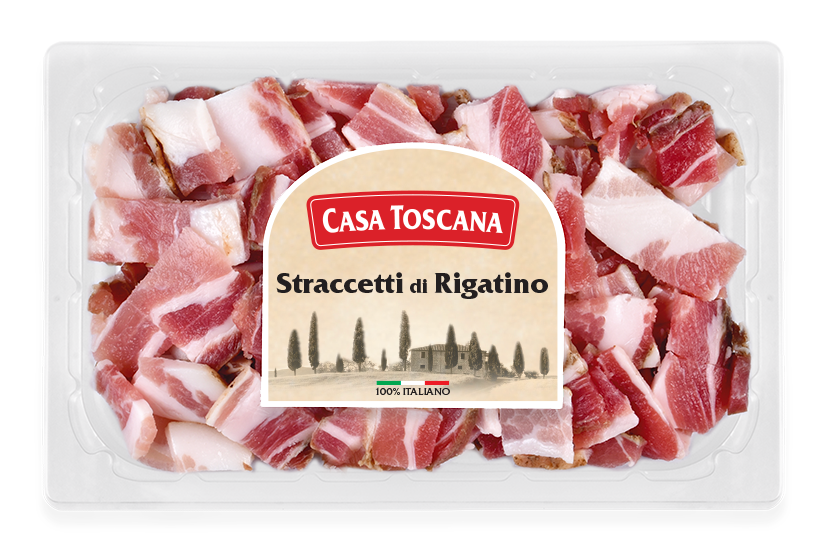
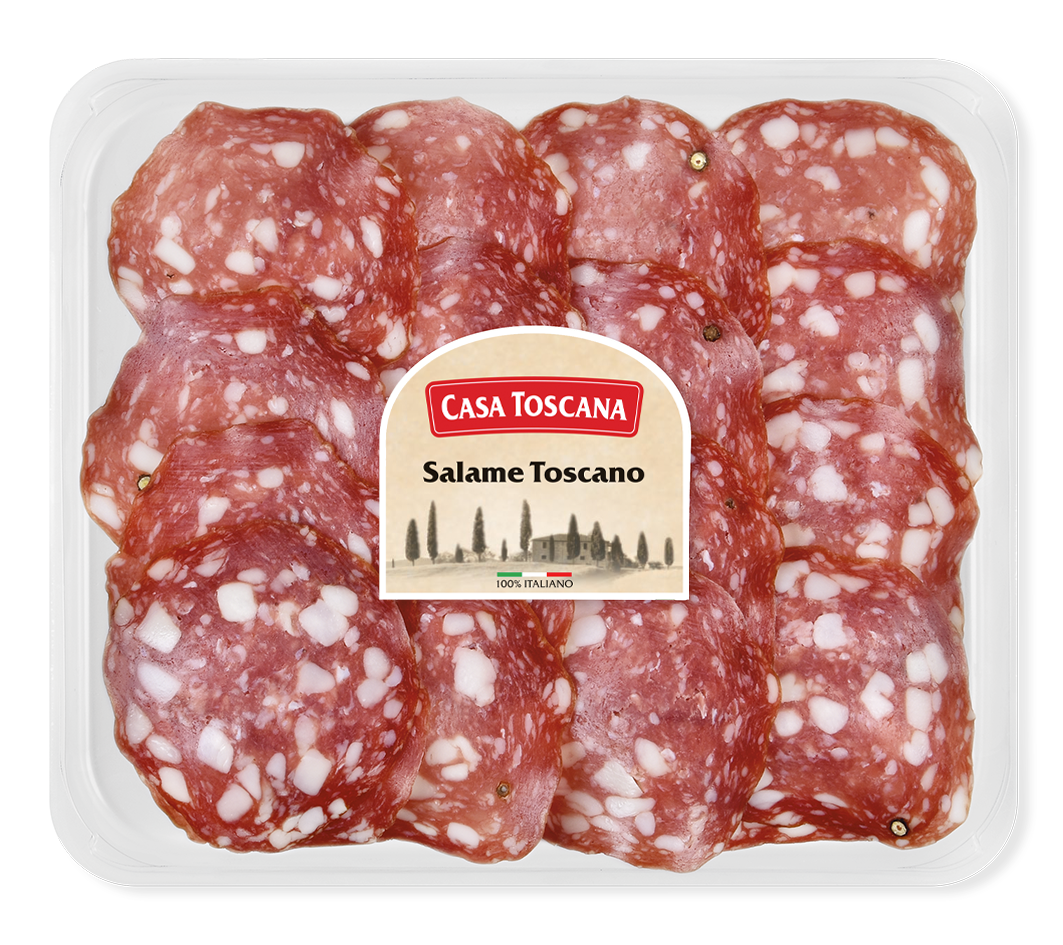
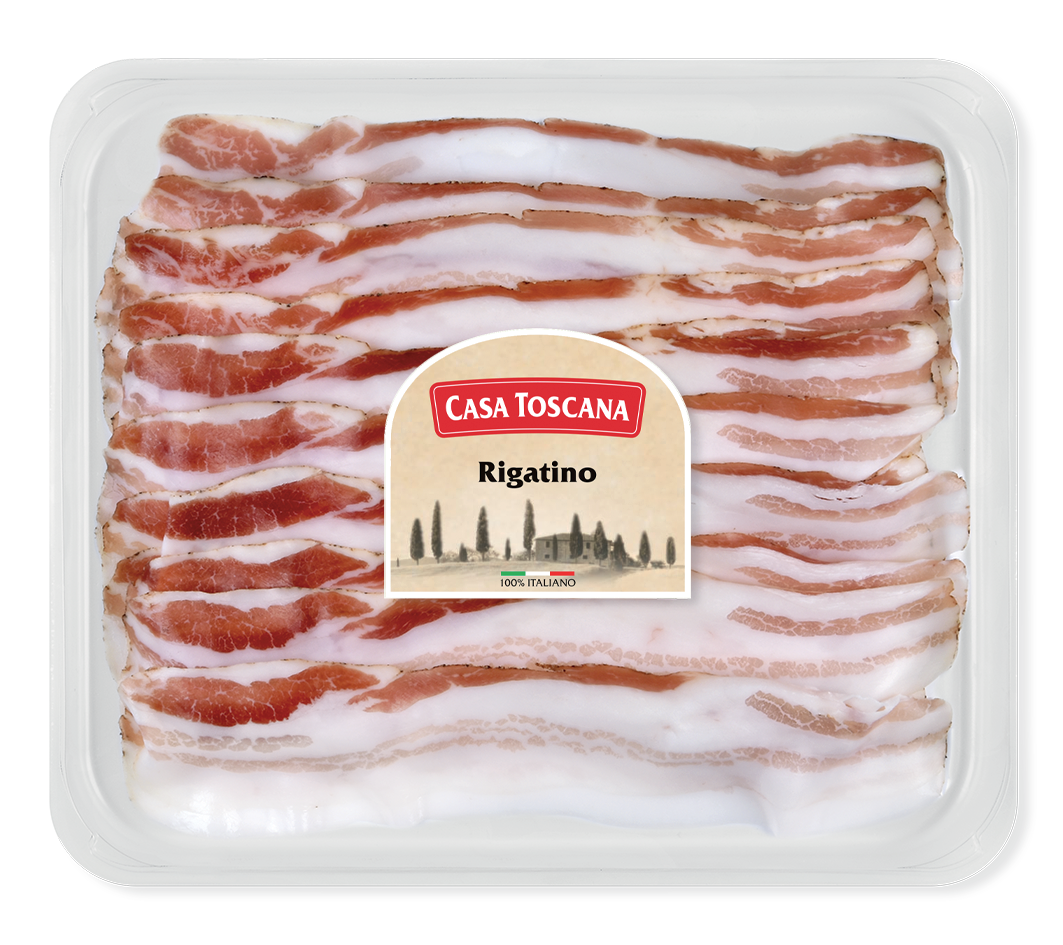
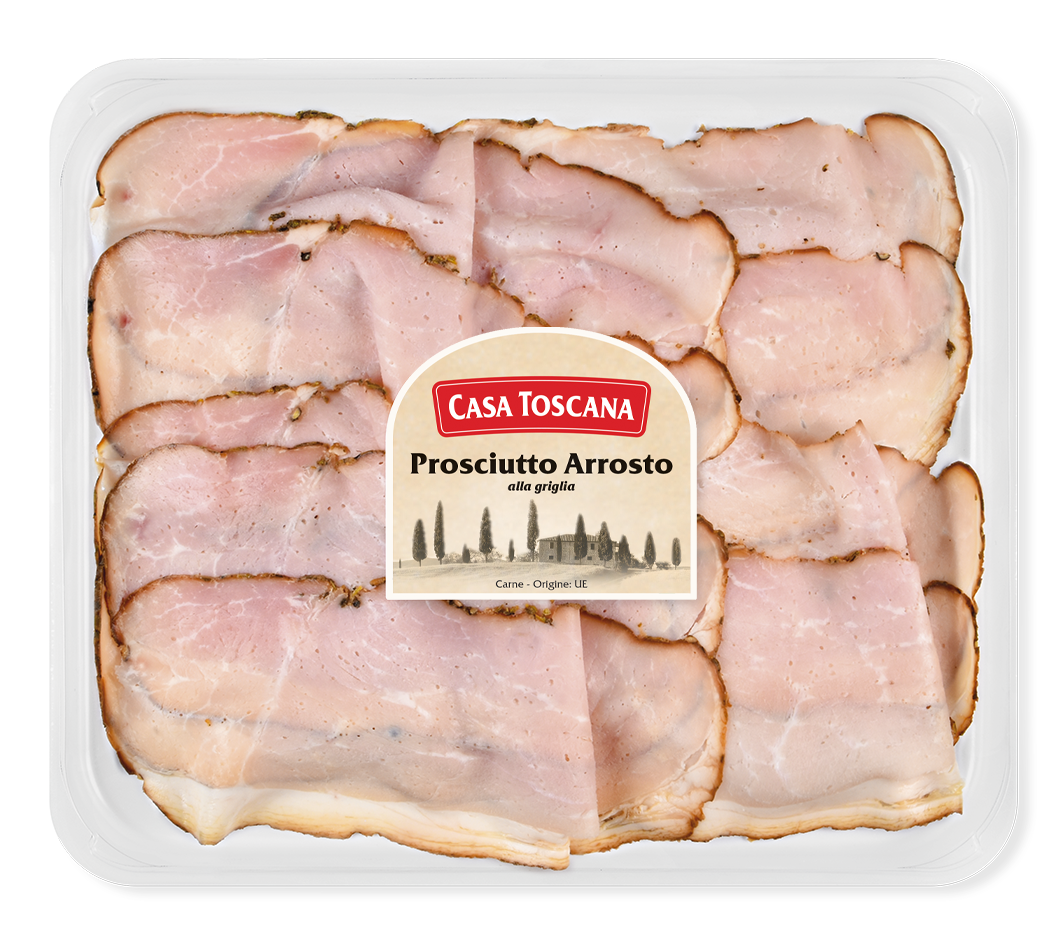
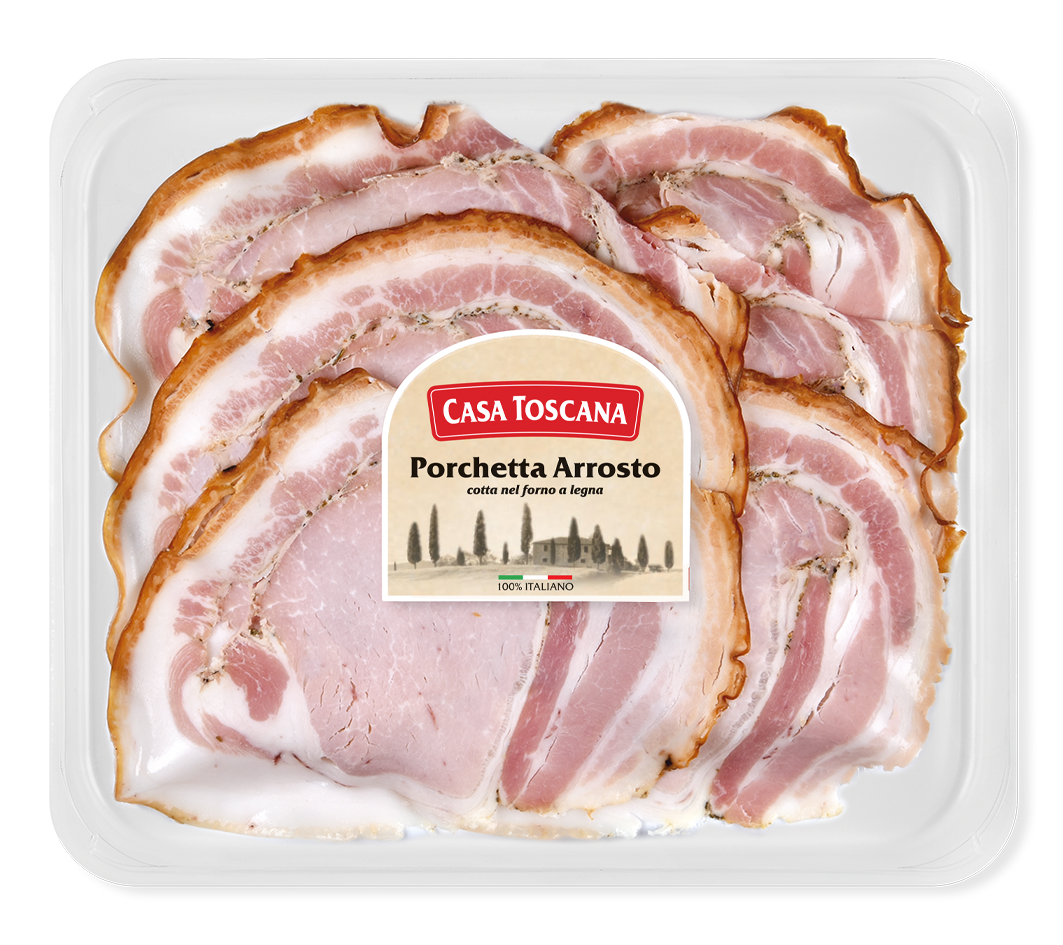
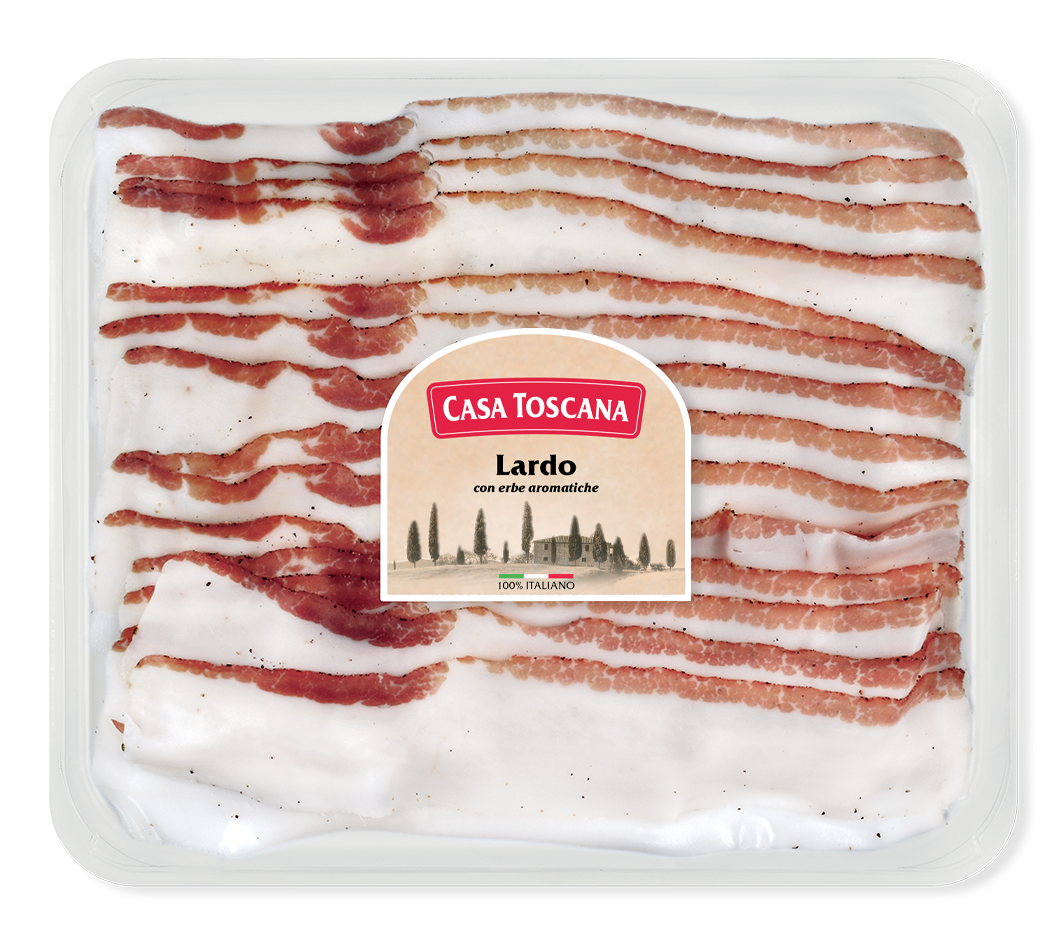
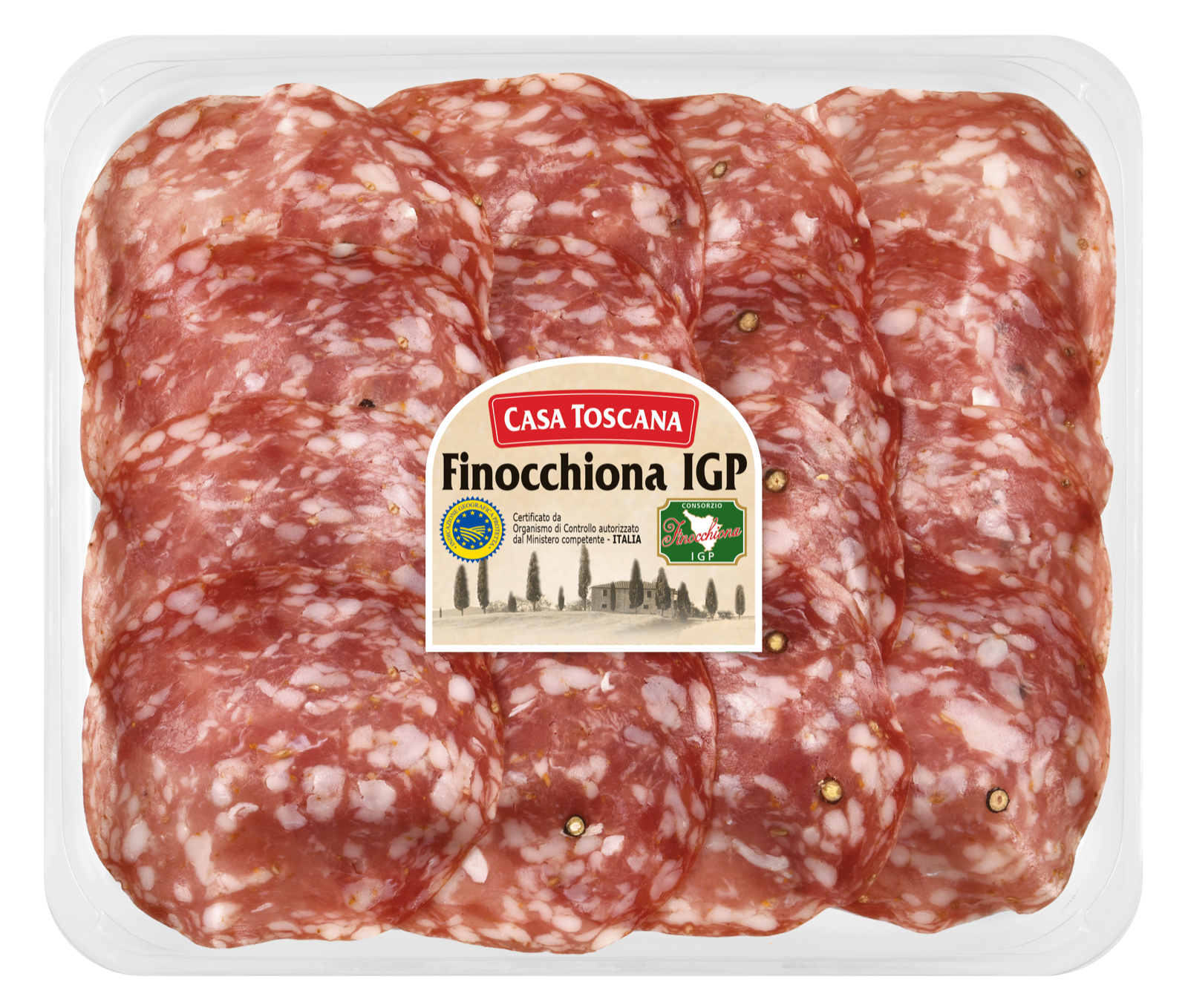
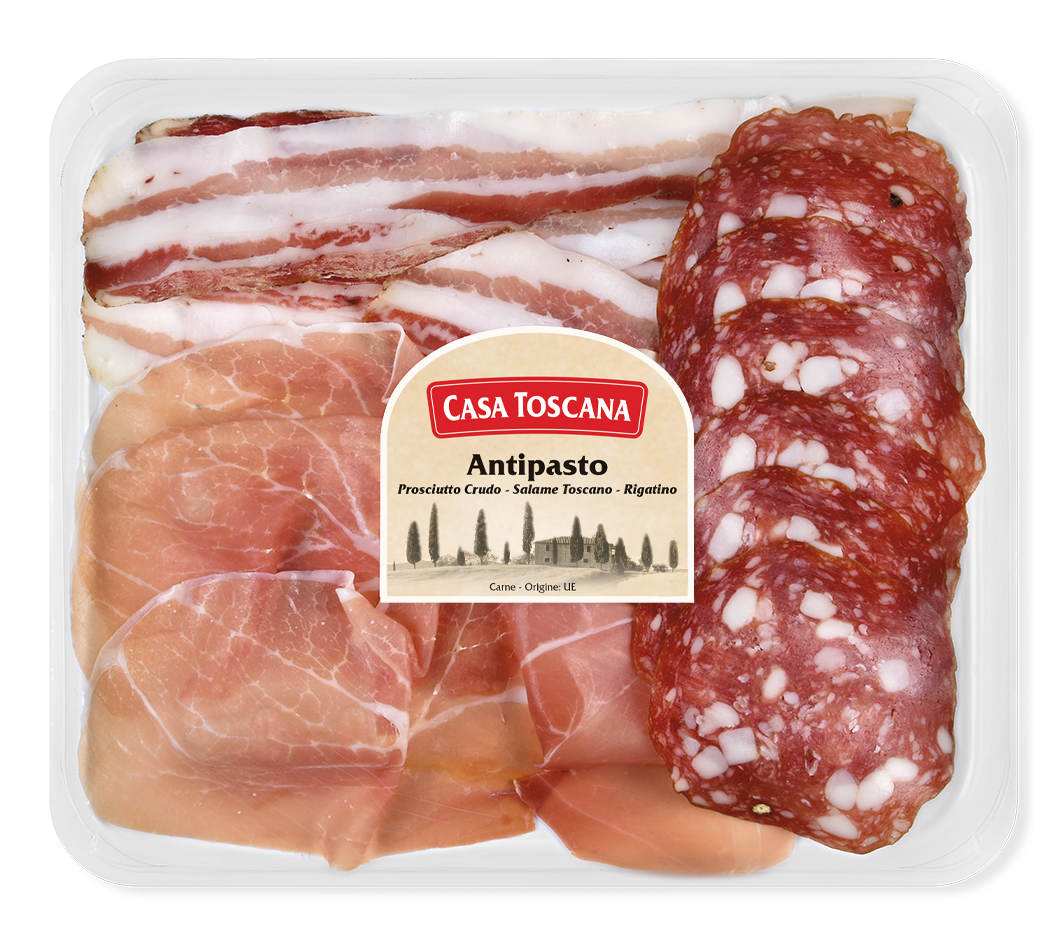
The Tuscany of charcuterie enters the tray without losing its character. Products that tell the story of central Italy's country cooking: the sweetness of herb-cured lardo, the aromatic depth of Finocchiona PGI, the robustness of rigatino, the long ageing of Tuscan salami. A line built for those seeking the flavours of rural Tuscany, with no compromise on origin or craftsmanship.
— The products
— Frequently asked questions
All about Casa Toscana
What is Finocchiona PGI and what makes it unique?
Finocchiona PGI is a typical Tuscan salami made with medium-coarse minced pork, wild fennel seeds (which give its characteristic aroma) and wine. The PGI denomination, obtained in 2015, covers the whole region of Tuscany: minimum ageing is 15 days for small formats and up to 45 days for large ones. The fennel, beyond its aroma, historically served to "mask" the farmers' wine during tastings — hence the Italian saying "infinocchiare" (to hoodwink).
What is the difference between Rigatino and flat pancetta?
Rigatino is the Tuscan name for aged flat pancetta: the same pork belly, but in Tuscany it is characterised by an elongated rectangular trim, dry salting with salt, pepper and local spices, and 2–3 months of ageing. It has a drier aromatic profile than rolled pancetta, ideal raw in thin slices or cooked in cubes for soffritti and ragùs.
What is the herb-cured lardo of the Tuscan tradition?
The lardo of central Tuscany is a layer of pork back fat cured with salt, pepper and aromatic herbs (rosemary, sage, bay, juniper) — different from Lardo di Colonnata PDO, which uses marble and a specific brine. Ageing in a basin or tray lasts 1–3 months: the result is soft, herb-scented, to be eaten raw in very thin slices on warm bread.